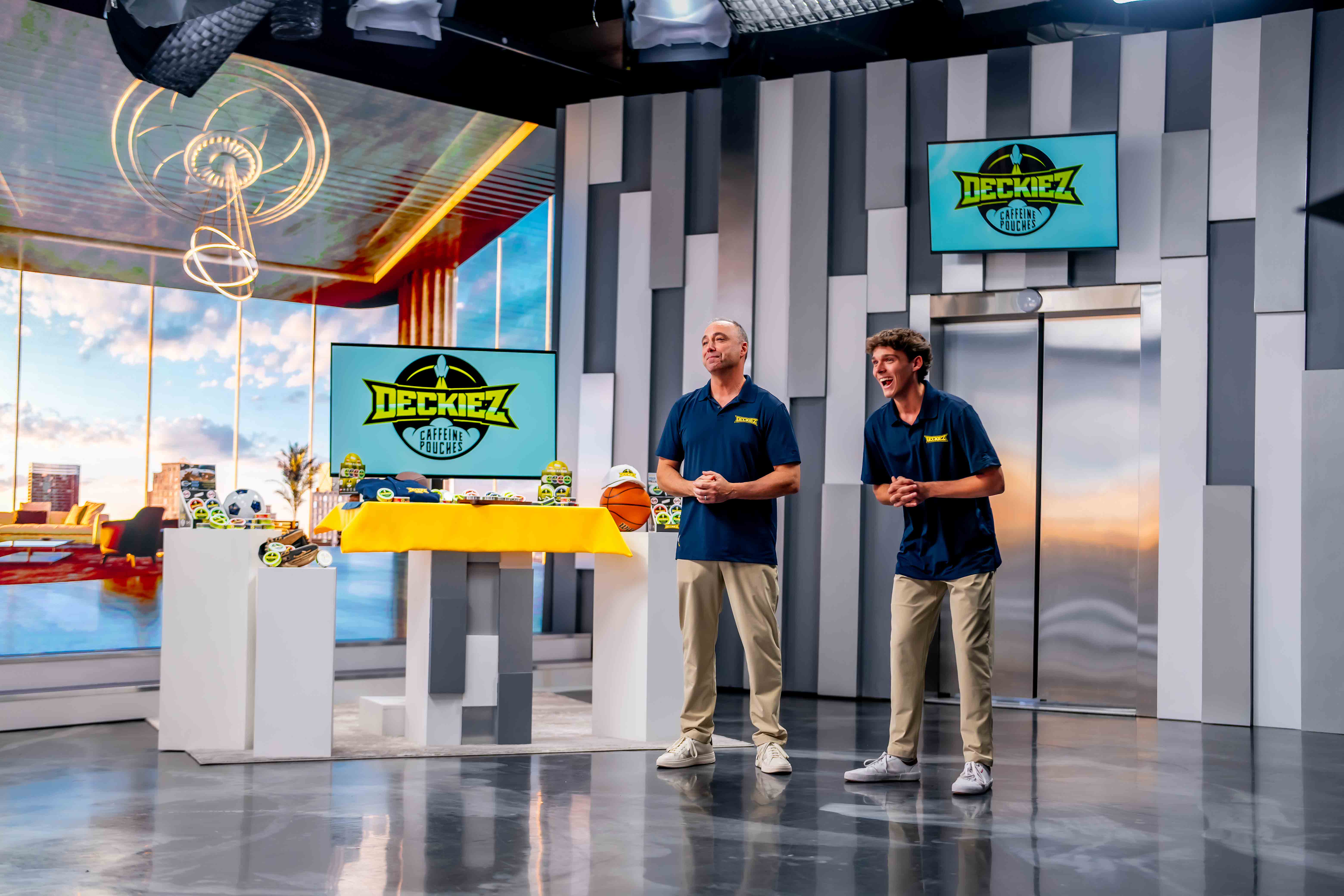
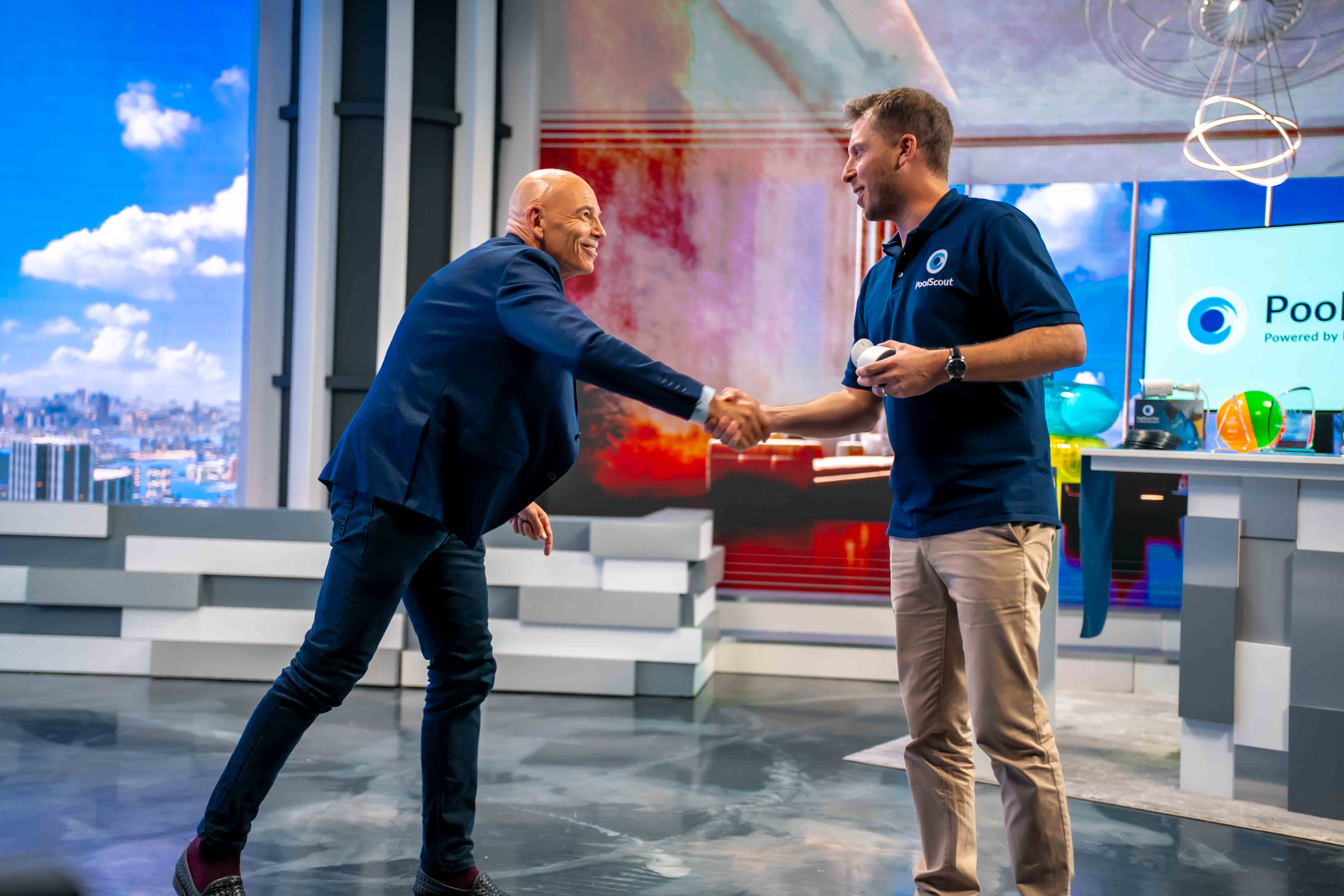
When a global client approached BrandStar Studios with the challenge of creating a syndicated TV show that could scale production quality and viewer engagement, time and budget were the key constraints. The project demanded elevated visuals, broadcast-level storytelling, and seamless creative control across platforms.
Traditional production pipelines couldn’t meet the rapid syndication timeline. BrandStar needed to reinvent the process - scaling from studio to syndication while maintaining both creativity and efficiency, using virtual tools and cross-team collaboration.

BrandStar delivered full-scale production through its advanced virtual studio environment—leveraging Unreal Engine, real-time collaboration tools, and an agile team structure to create a cohesive, high-quality syndicated experience.
The show successfully launched as a nationally syndicated program, debuting on Sling TV and expanding to multiple streaming platforms. Its visual polish and efficient production pipeline proved how creative innovation can drive broadcast scalability.


The team at ESPN invited COLLINS to think about a new challenge: What does the next ten years look like?The entertainment landscape is rapidly evolving and filled with new players. At the same time, the 30 for 30 brand has expanded to include podcasts, shorts, and events.
How should its leaders define its new future while remaining true to its original vision?
To imagine the future of the brand, we started by looking at the past to distill what makes 30 for 30 so meaningful. Through research and conversations with the ESPN Films team and with viewers, what we found was surprising. While each 30 for 30 film revolves around a human element, what leaves a mark in people’s minds isn’t only interesting events in sports history or newfound appreciation of an athlete’s life. It’s a deeper understanding of a unique moment in time, in culture and society—and what it all meant.
30 for 30 explores these diverse, unknown or often hidden stories and weaves them into daring, unforgettable films.We used this as our foundation for a new way to convey the 30 for 30 brand for the next generation. Our idea weaves together inspiration from old scoreboards in legendary baseball stadiums to mid-century movie title sequences to 1990s football team uniforms—mixing different elements of culture as 30 for 30 does.
The new design system asserts itself more boldly, but never at the expense of the the story. The brand now can thrive across its new platforms and new technology formats. Digital shorts, podcasts, events, and the films themselves all work together to drive one strong, cohesive voice and presence.
With a new slate of films that promise to keep the world’s attention, we can’t wait to see what our friends at 30 for 30 will explore in their next ten years.